Source 250v boat balance arm switch for Marine RV Car
Compare 30 listings of 250v boat balance arm switch designed for marine, RV, and automotive applications. Buyers can evaluate cranking ratings, voltage compatibility, and mounting options to find the right power switch for their vehicle needs.
Key considerations
Products List





Comprehensive Sourcing Guide
Sourcing Guide for 250V Boat Balance Arm Switches
Procuring electrical switching components for marine environments requires a rigorous approach to technical verification and supplier validation. The core keyword "250v boat balance arm switch" points to a specific class of electrical hardware designed to manage power distribution in vessels where voltage stability and physical durability are paramount. While the term "balance arm" often implies a specific mechanical lever action, the available market data for this category reveals a diverse range of products, from high-current battery disconnects to lower-amperage rocker switches. Buyers must navigate these variations carefully to ensure the selected component meets the specific electrical and mechanical demands of a marine application. This guide outlines the critical factors for sourcing these switches, focusing on the observed specifications, material constraints, and operational requirements found in current listings.
Technical Specifications and Electrical Ratings
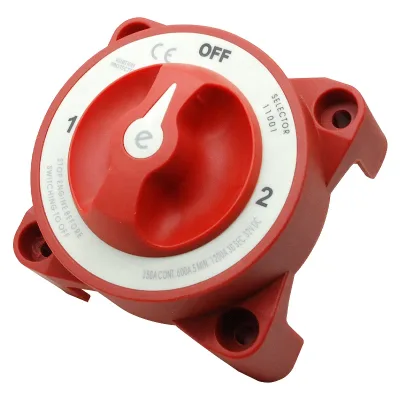
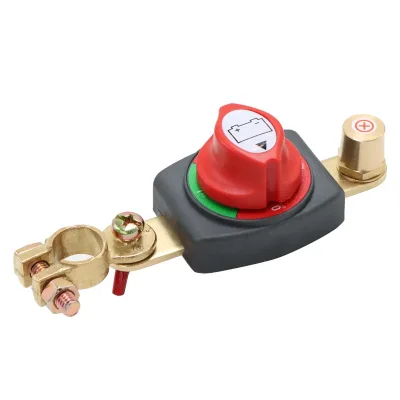
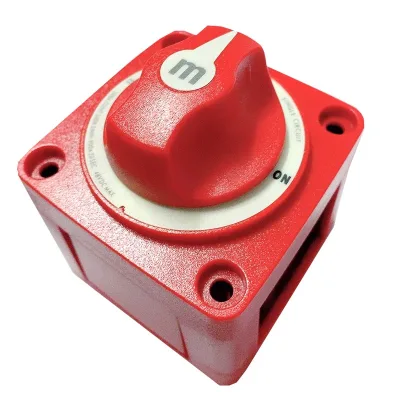
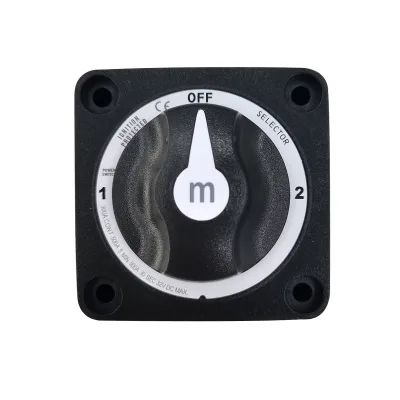
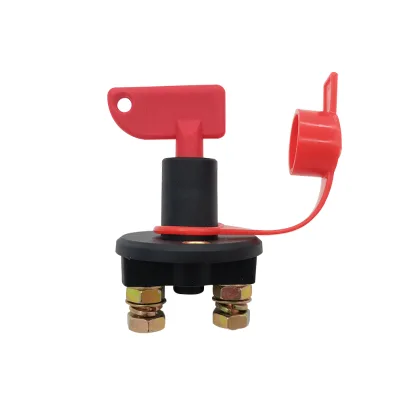
The primary differentiator for any marine switch is its electrical rating, which dictates the maximum load it can safely interrupt without arcing or failure. In the observed product data, there is a distinct split between high-current battery management switches and standard control switches. High-performance units, such as the Battery Disconnecter Switch with Model Number B07Z8R59MM, feature a Cranking Rating of 1250 Amps DC and an Intermittent Rating of 455 Amps DC. These figures are critical for applications involving engine starting or heavy load management. The Continuous Rating for these units is listed at 350 Amps DC, indicating their capacity for sustained operation under full load.
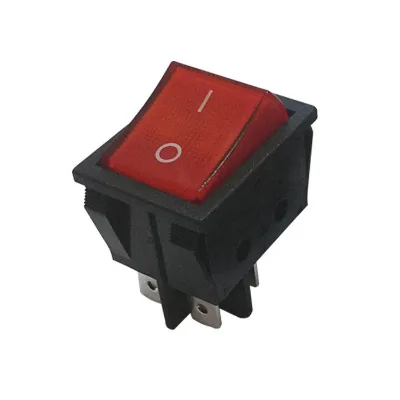
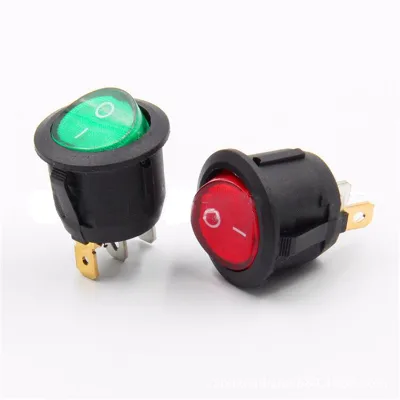
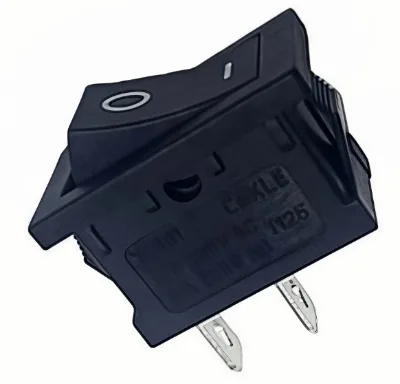
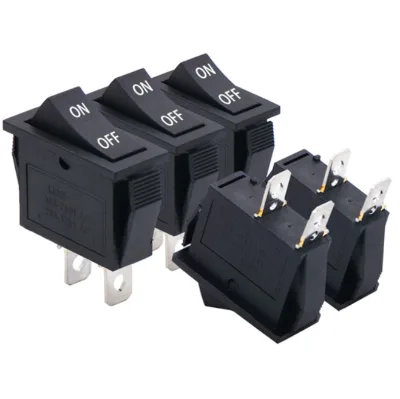
Conversely, other products in the category, such as the DC12V 24V new rocker switch, operate at significantly lower currents. The observed data for these units lists a Max. Current of 20A and a Max. Voltage of 250 V. This specific voltage rating of 250V aligns directly with the core keyword, suggesting that "250V" in the search term likely refers to the insulation and dielectric strength of the switch housing rather than the operating voltage of the vessel's system. Most marine systems operate on 12V, 24V, or 48V DC, as evidenced by the Operating Voltage specifications of 12V-48V DC found in the product listings. Therefore, a 250V rating on a switch typically signifies a safety margin for insulation rather than the system voltage it controls.
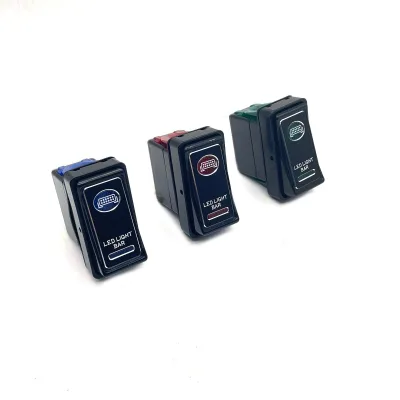
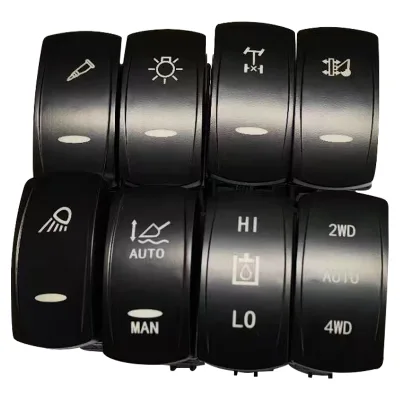
Buyers must verify the contact type and switching action. The observed data includes "ON-OFF" and "OFF-ON" switch actions, with some units offering "1/2/off" operation modes. The contact type is generally listed as "ON-OFF," but the number of poles varies, with options for 2P, 3P, or 4P configurations. For a "balance arm" style switch, the mechanical action usually involves a lever that toggles between positions. The presence of an LED indicator in some models adds a layer of status visibility, which is useful for monitoring power states in low-light marine environments.
Material Composition and Physical Construction
Durability in a marine setting is heavily dependent on the materials used in the switch's construction. The environment exposes components to salt spray, humidity, and constant vibration. The product data indicates that materials vary significantly between product lines. The Battery Disconnecter Switch is constructed from a composite of ABS and copper, combining the impact resistance of the plastic housing with the high conductivity of copper contacts. This combination is essential for handling the high cranking currents mentioned earlier.
In contrast, the CA-296 model and other rocker switches are listed with a "Plastic" material specification. While plastic is lightweight and cost-effective, it must be marine-grade to resist UV degradation and salt corrosion. The single gross weight of these units ranges from 0.016 kg for smaller rocker switches to 0.430 kg for heavy-duty battery disconnecters. This weight difference reflects the internal mass of the contacts and the robustness of the housing.
The mounting style is another critical physical attribute. The data specifies that switches can be mounted as "Recessed or Surface." For a balance arm switch, surface mounting is often preferred for ease of access, while recessed mounting provides a cleaner aesthetic and protection from accidental impact. The single package size also varies, with dimensions ranging from 3.7X2.8X3.8 cm for compact units to 18X12X10 cm for larger battery isolators. Buyers should ensure that the physical dimensions of the switch fit within the designated panel cutouts and that the mounting hardware is compatible with the vessel's hull or console material.
Compliance, Certification, and Safety Standards
When sourcing electrical components for boats, compliance with international safety standards is non-negotiable. While the provided product data does not explicitly list specific certification bodies (such as UL, CE, or ISO), the "Condition: New" and "Brand Name" fields suggest commercial availability. However, buyers must independently verify that the supplier can provide documentation proving compliance with marine electrical standards.
The "Mechanical Life" of a switch is a key performance metric that often correlates with certification. One observed unit lists a Mechanical Life of 30000 Times. This figure indicates the number of actuation cycles the switch can endure before mechanical failure. For a balance arm switch used frequently, this rating is crucial. A switch with a lower mechanical life may fail prematurely, leading to power loss or safety hazards. Buyers should request test reports or certification documents that validate these mechanical life claims, ensuring the switch meets the rigorous demands of marine use.
Furthermore, the "Whether The Smart" attribute is listed as "No" for the high-current disconnecters, indicating these are manual mechanical switches. This is generally preferred for critical battery isolation, as it eliminates the risk of electronic failure or software glitches. The absence of a USB port in the observed data confirms that these are dedicated electrical switches rather than multi-function control panels. Buyers should verify that the switch design does not rely on proprietary electronics that could be incompatible with standard marine wiring practices.
Cost Drivers and Pricing Dynamics
The price of a 250V boat balance arm switch is influenced by several factors, primarily the current rating, material quality, and mechanical complexity. The observed price range in the market is 0.01 to 15.99 USD. This wide disparity reflects the difference between a simple 20A rocker switch and a heavy-duty 1250A battery disconnecter.
The lower end of the price spectrum typically corresponds to switches with lower current ratings (e.g., 20A) and simpler plastic housings. These are suitable for low-power accessories or lighting circuits. The higher end of the range, approaching 15.99 USD, is associated with units featuring high cranking ratings (1250A), copper contacts, and robust ABS construction. The "Single package size" and "Single gross weight" also contribute to shipping costs, which can be a significant factor in total procurement expenses, especially for international buyers.
Minimum Order Quantity (MOQ) is another cost driver. The observed MOQ range is 1 to 1000 units. For small-scale repairs or prototype projects, an MOQ of 1 is ideal. However, for fleet-wide installations or large vessel builds, buyers may need to negotiate MOQs closer to 1000 to secure better unit pricing. The "Selling Units" are listed as "Single item," which suggests flexibility in purchasing, but bulk discounts may apply depending on the supplier's policies. Buyers should calculate the total cost of ownership, including shipping and potential volume discounts, rather than focusing solely on the unit price.
Typical Applications and System Integration
The application field for these switches is explicitly listed as "Marine Boat Car RV ATV Vehicle." This broad categorization indicates that the switches are versatile but must be selected based on the specific voltage and current requirements of the target vessel. The "Battery Isolator Switch" and "Battery Disconnecter Switch" are specifically designed for managing the main power source, allowing the operator to isolate the battery from the electrical system for safety during maintenance or storage.
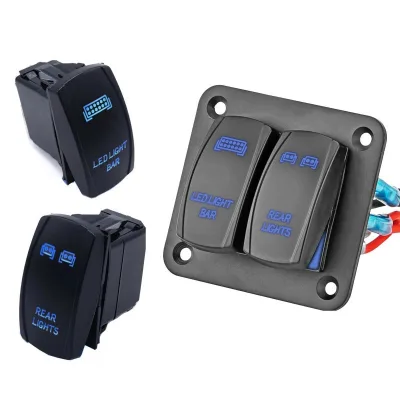
For a "balance arm" switch, the typical application involves manual control of power circuits. The "2poles" and "2P, 3P, 4P" specifications suggest that these switches can be used in multi-circuit systems, such as those found in larger boats with multiple battery banks or complex lighting setups. The "Operating Voltage" of 12V-48V DC covers the vast majority of marine electrical systems, from small personal watercraft to large yachts.
Integration into a vessel requires careful consideration of the wiring harness. The "Pins" specification indicates the number of connection points available. A 2-pin switch is suitable for simple on/off control, while 3-pin or 4-pin switches may be required for applications involving neutral connections or multiple power sources. Buyers should ensure that the switch's pin configuration matches the vessel's existing wiring diagram to avoid the need for extensive rewiring.
Supplier Evaluation and Quality Control
Evaluating suppliers for marine electrical components requires a focus on consistency and transparency. The observed data lists brands such as "ZING EAR" and "CA," but buyers should not rely on brand names alone. Instead, they should verify the supplier's ability to provide consistent product specifications across batches. The "Place of Origin" is listed as "Guangdong, China," which is a major manufacturing hub for electrical components. While this region has a strong supply chain, buyers must ensure that the specific factory adheres to strict quality control protocols.
Quality control checks should include visual inspection of the housing for defects, verification of the contact material (copper vs. brass vs. steel), and testing of the mechanical action. The "Switch Action" of "OFF-ON" must be crisp and reliable, without sticking or loose toggling. For high-current switches, thermal testing is essential to ensure the contacts do not overheat under load. Buyers should request sample units to perform their own durability tests, particularly focusing on the "Mechanical Life" claims.
Additionally, buyers should verify the supplier's response to quality issues. A reliable supplier will have a clear process for handling returns or replacements for defective units. The "Condition: New" attribute in the data suggests that the products are intended for new installations, but buyers should confirm that the packaging protects the switches from moisture and damage during transit.
Long-Term Procurement Considerations
Sourcing marine switches is not a one-time transaction but part of a long-term maintenance strategy. The "Lead time" and "MOQ" values observed (1-1000 units) suggest that suppliers can accommodate both immediate needs and bulk orders. However, buyers should plan for the long-term availability of specific models. The "Model Number" is a critical identifier; for example, B07Z8R59MM and A71006-Z represent specific product lines. If a supplier discontinues a model, the buyer must ensure they can source a compatible replacement without redesigning the vessel's electrical system.
The "Application" field includes "Marine," which implies exposure to harsh conditions. Long-term procurement should prioritize switches with proven track records in marine environments. The "Material" composition, such as ABS+copper, should be resistant to UV radiation and salt corrosion. Buyers should also consider the availability of spare parts and the ease of replacement. A switch that is difficult to replace or requires specialized tools can lead to extended downtime during repairs.
Finally, buyers should monitor the market for changes in voltage standards or safety regulations. While the current data shows a range of 12V-48V DC, future vessel designs may adopt different standards. Maintaining a relationship with a supplier who can adapt to these changes will ensure the longevity of the procurement strategy. By focusing on technical specifications, material quality, and supplier reliability, buyers can secure 250V boat balance arm switches that meet the demanding requirements of marine applications.
FAQs
What is the maximum current rating for high-performance boat switches?
High-performance units like the Battery Disconnecter Switch offer a cranking rating of 1250 Amps DC. These switches also feature a continuous rating of 350 Amps DC for sustained operation under full load conditions.
Which voltage systems do these marine switches support?
Most units operate within a voltage range of 12V to 48V DC. This specification covers the vast majority of marine electrical systems found in boats, RVs, and ATVs.
How are these switches constructed for marine durability?
Heavy-duty models are built from ABS plastic and copper to ensure impact resistance and high conductivity. Smaller rocker switches may use plastic housing but must be marine-grade to resist salt corrosion.
Can these switches be mounted on a boat console?
Yes, the switches support both recessed and surface mounting options. This flexibility allows buyers to choose the installation style that best fits their vessel's panel design and accessibility needs.
What is the typical mechanical life of these switches?
Some observed units list a mechanical life of 30000 actuation cycles. This rating indicates the number of times the switch can be toggled before potential mechanical failure occurs.
How many poles are available for these switch configurations?
The switches come in 2-pole, 3-pole, and 4-pole configurations. This variety allows for multi-circuit control in complex marine electrical setups with multiple battery banks.
Do these switches include LED indicators for status monitoring?
Certain models feature an LED indicator to show power status in low-light environments. However, many high-current disconnecters are manual mechanical switches without electronic indicators.